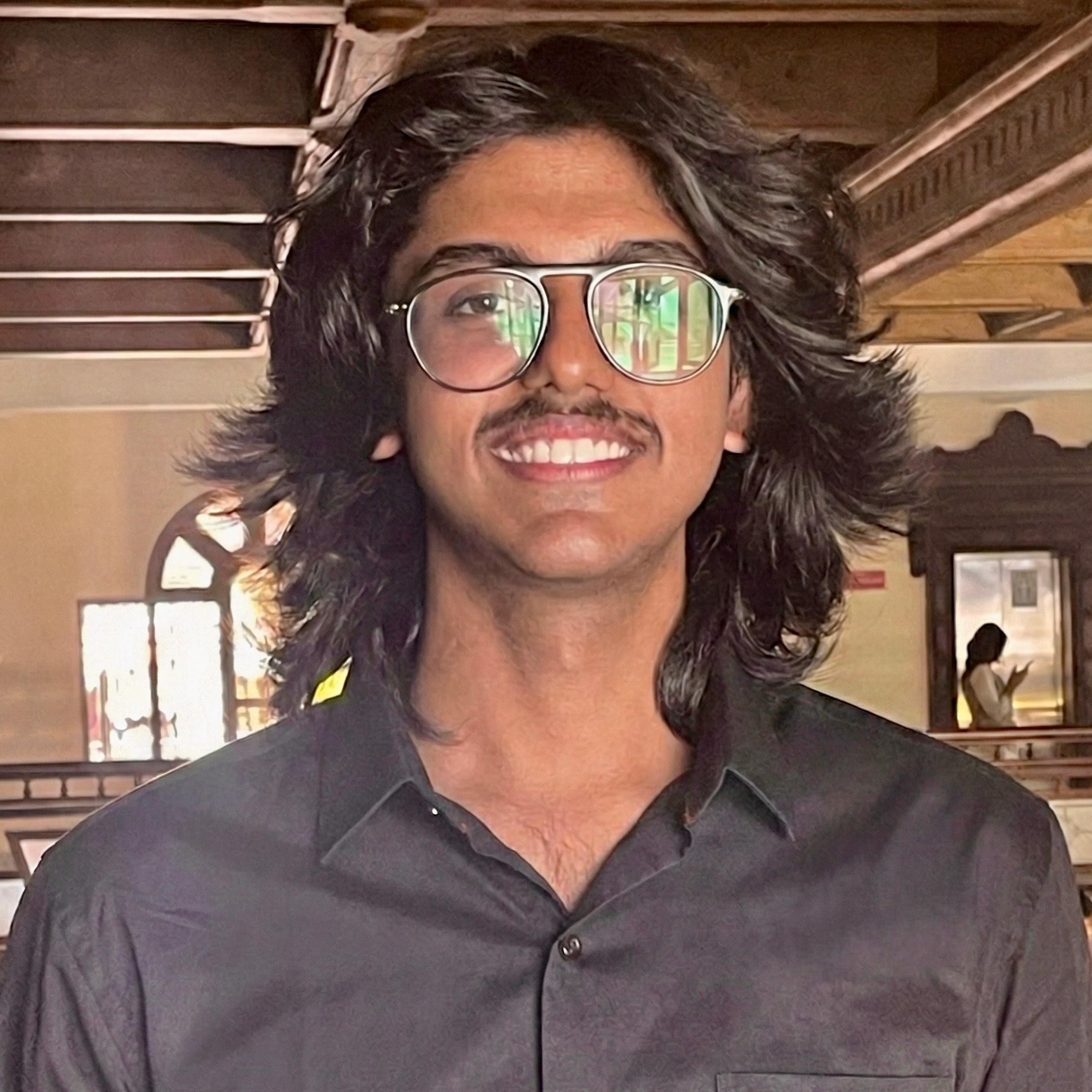
 Speaker
Mobile Security Researcher at Team bi0s.
Sam MG Harish is a mobile security researcher specializing in Android application security, vulnerability research, and analysis of complex application architectures. A B.Tech Cyber Security student at Amrita Vishwa Vidyapeetham and a researcher with Team bi0s, he has analyzed 40+ Android applications, uncovering real-world security issues with a focus on WebView security, native bridge interactions, and chaining multiple low-severity issues into impactful vulnerabilities.
He has solved 100+ CTF challenges and secured top positions, including 1st place at Black Hat MEA 2025 Mobile Hacking Lab CTF and H7CTF 2025, and 3rd place at DEFCON 33 Mobile CTF.
He has also worked on Android security analysis tools, including AI-assisted static analysis pipelines and dynamic instrumentation workflows using Frida, focusing on practical and real-world security testing. His research highlights patterns of vulnerabilities in widely used mobile applications, with an emphasis on understanding how different components interact to create unintended attack surfaces. He is also an active speaker, delivering technical sessions on mobile security and modern attack techniques.